Loading...

Projects

Truth In Motion: Depth and Flow Enhanced DeepFake Detection

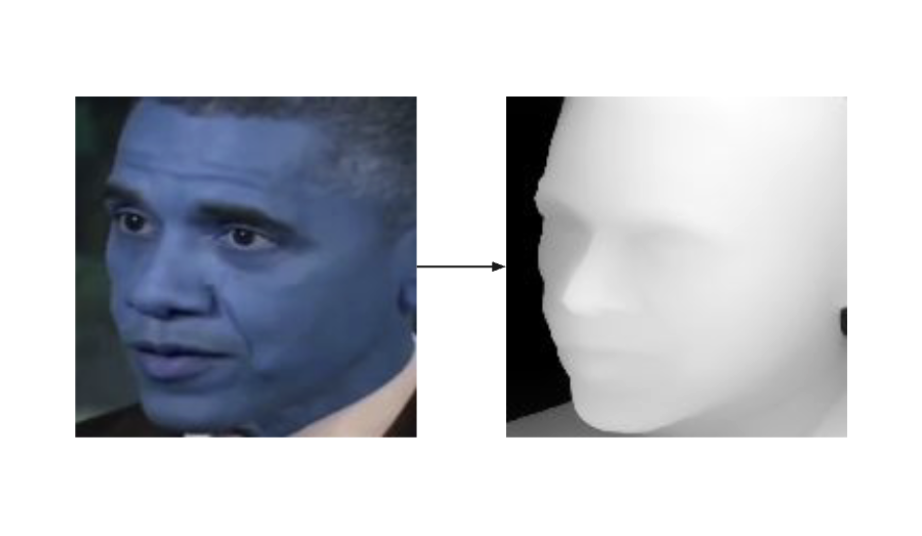
[Sapienza computer vision group project] The task was to pre-process and extract features from the FaceForensics++ dataset, use these features to fine-tune a transformer model for DeepFake detection, and then investigate some model compression techniques. I worked on extracting depth estimates from the pre-processed video frames and fine-tuned some transformer models. Other group members worked on the pre-processing, extracting optical flows, and model compression using quantisation and distillation.
Gene Expression Data Analysis of Endometriosis

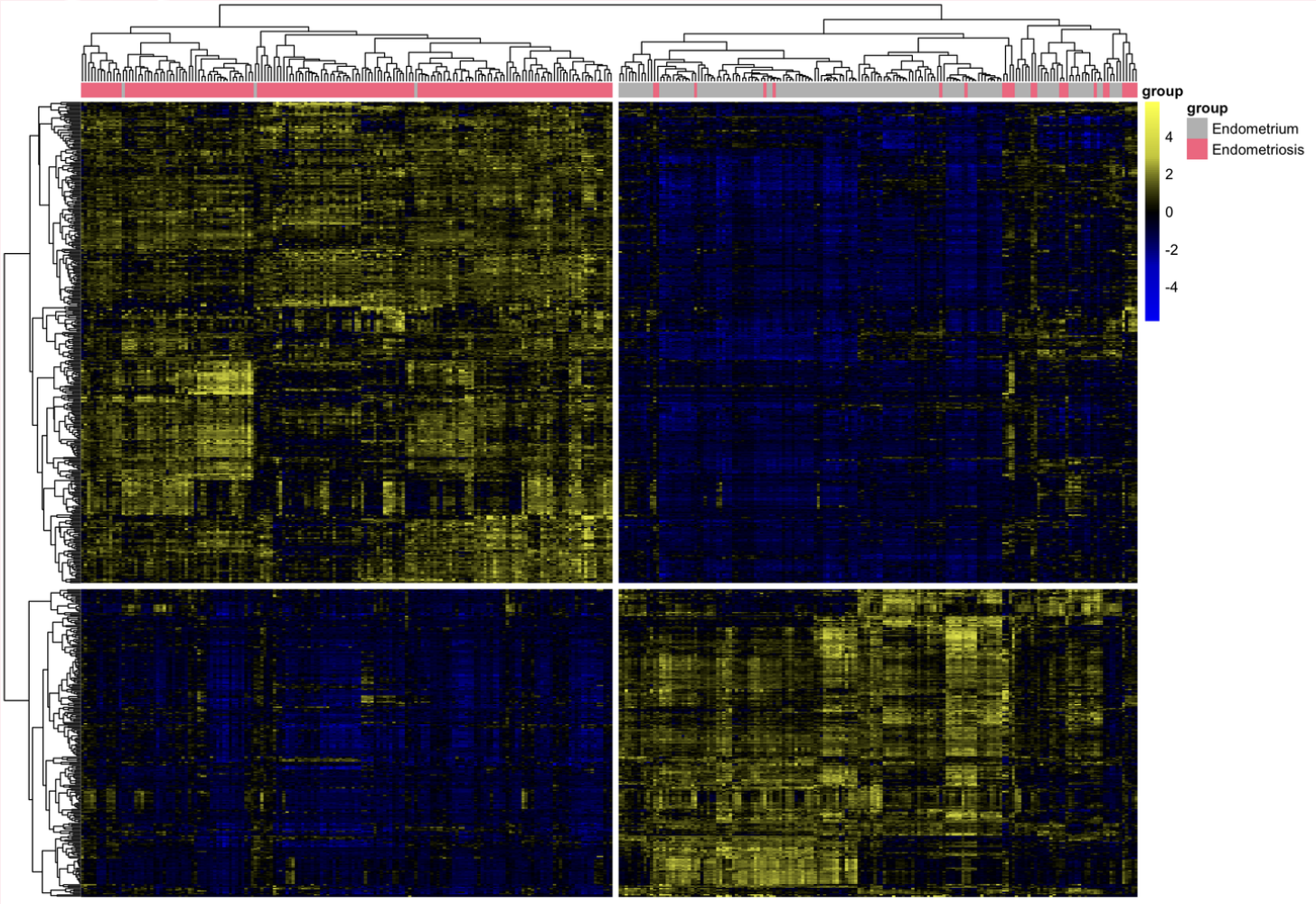
[Sapienza bioinformatics project] The task was to find a list of genes that are differentially expressed between case and control samples and characterise them. I used R to analyse a dataset of endometrium and endometriosis samples from GEO to identify differentially expressed genes which could be used for diagnosis and performed functional enrichment analysis on these genes to investigate the disease's pathogenesis.

Technology to Advance Treatment of Children With Movement Disorders

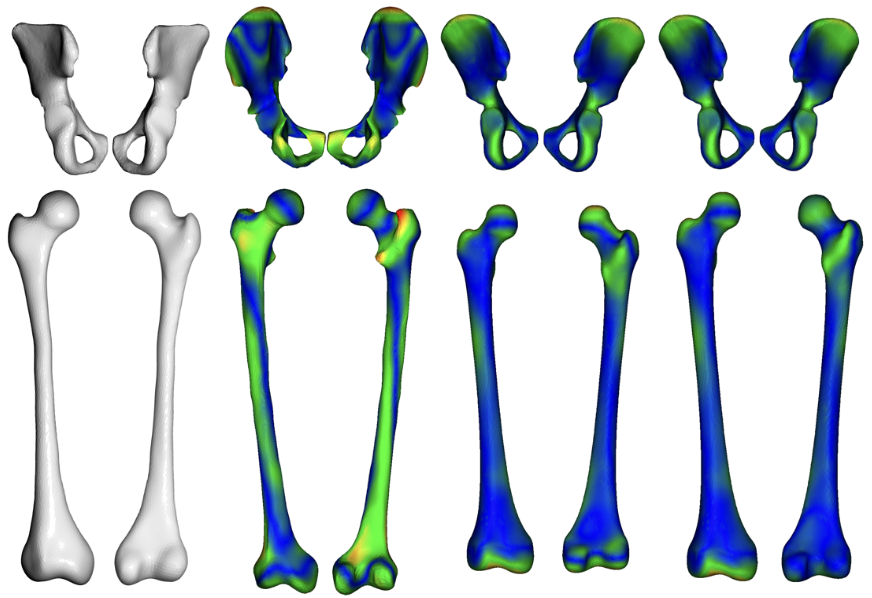
[UoA thesis] I created scaled and subject-specific models of the lower limb of a typically developed child and a child with cerebral palsy to compare the estimated structure and function of the models using Python and OpenSim. I found that the differences in structure lead to differences in the estimated joint kinematics and muscle forces, highlighting the importance of using accurate geometries in musculoskeletal models. The methods established can also be used to investigate relationships between the accuracy of modelling methods and the severity of a child's cerebral palsy.

Biomechanical and Ergonomic Analysis of Joint Mobilisation Tasks in Physical Therapy

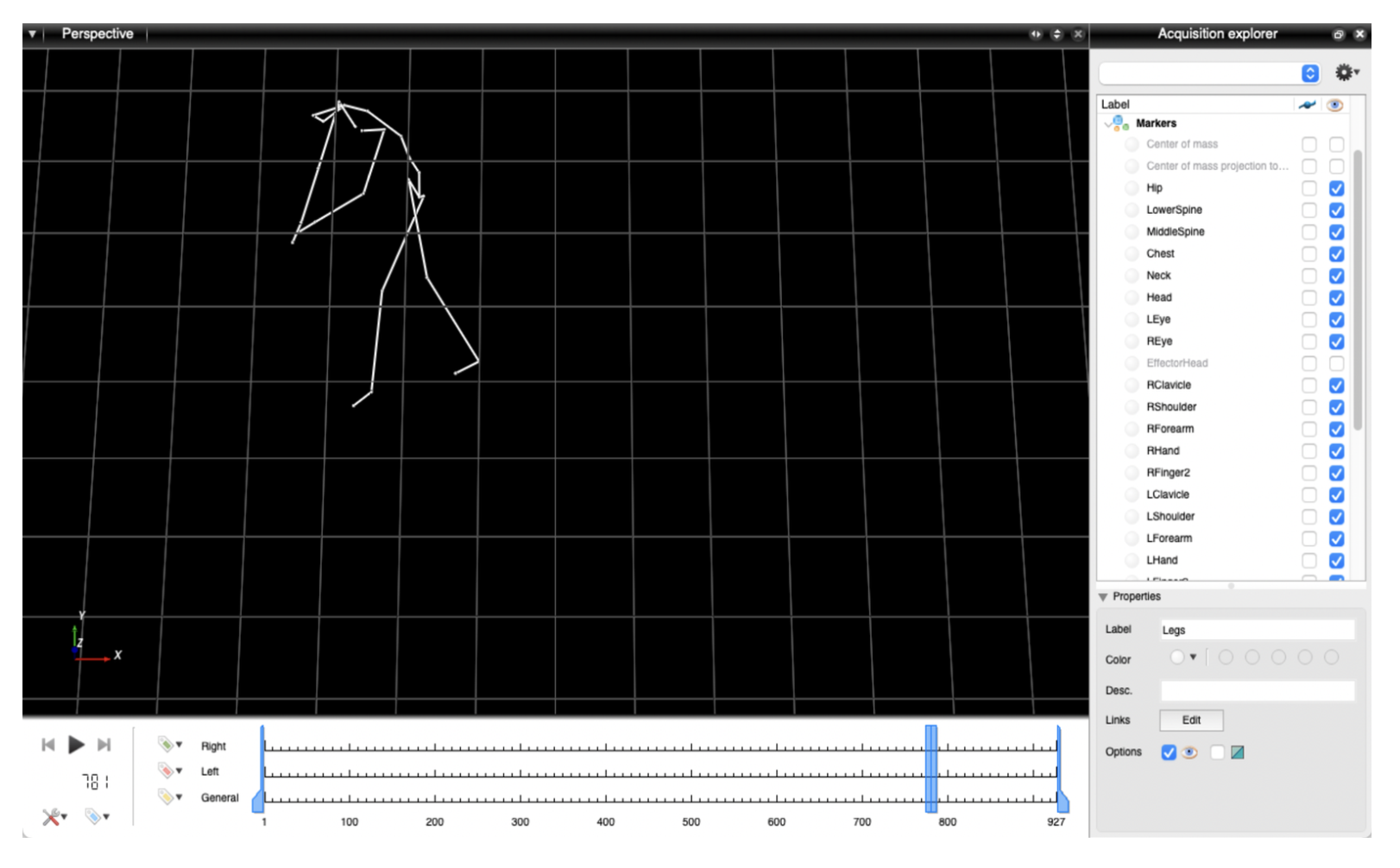
[UoA exercise science project] I investigated whether performing joint mobilisation tasks increased the risk of work-related musculoskeletal disorders (WMSDs) for physiotherapists. I analysed motion capture data using existing software to find RULA and REBA scores, low back compression forces, and joint strength capabilities at the most awkward posture for each task and subject. I then used R to perform two-way mixed ANOVA for each dependent variable. I found that all three tasks investigated can increase the risk of WMSDs for male and female physiotherapists.